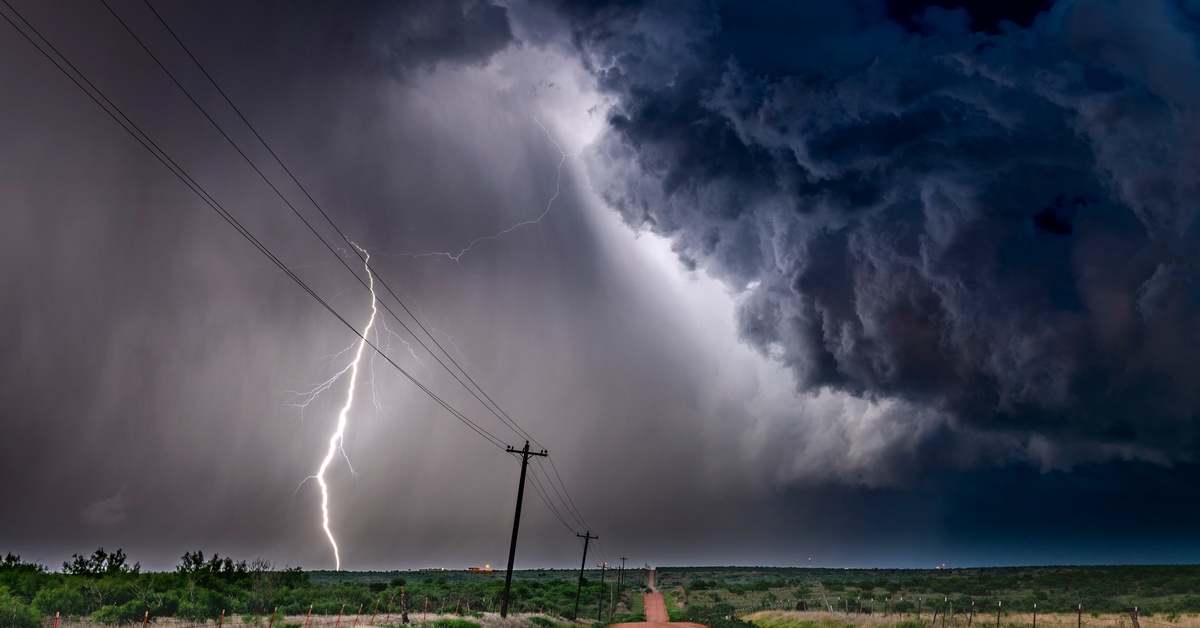
Severe weather events, from hurricanes and floods to droughts and wildfires, seem to be becoming more frequent and intense. While these events can be catastrophic for anyone, for farmers and ranchers, they pose a significant threat to livestock, crops, and infrastructure.
If this is your line of work, then you need to recognize that proactive preparation is no longer optional; it is a critical component of modern agricultural management. To help you make sure you’re doing everything you can, this guide provides practical, actionable advice to help you prepare your farm or ranch against unpredictable and severe weather events.
Assessing Your Farm’s Vulnerabilities
The first step in effective preparation is understanding your specific risks. Different regions face unique threats—coastal areas must prepare for hurricanes, the Midwest for tornadoes, and the West for wildfires. Begin by evaluating the potential hazards in your location.
Identify the weak points on your property. Inspect barns, silos, fences, and irrigation systems for structural integrity. Which buildings are most susceptible to high winds? Where is your land most likely to flood? Answering these questions will help you prioritize your efforts.
It is also essential to create a detailed inventory of your assets, including livestock, equipment, and crops. This list will be invaluable for insurance purposes and for developing a targeted protection strategy.
Strengthening Infrastructure

Reinforcing your farm’s infrastructure is a direct investment in its longevity. For buildings, this may involve securing roofs with hurricane straps, installing storm shutters on windows, and ensuring doors can withstand high amounts of pressure. To mitigate flood risk, consider installing comprehensive drainage systems, elevating critical equipment and electrical systems, and having sandbags ready for deployment.
For wind and hail protection, natural windbreaks like rows of trees can be highly effective. Hail nets can shield valuable crops from damage, while sturdy, well-maintained fencing is crucial for containing livestock and preventing debris from spreading.
If your farm is in a fire-prone area, fireproofing is a necessity. This includes clearing brush and dry vegetation to create a defensible space around structures and using fire-resistant building materials wherever possible.
Safeguarding Crops
Protecting your crops requires a multi-faceted approach that begins long before a storm is on the horizon. Selecting weather-resilient crop varieties that are well-suited to your region’s climate can significantly improve their chances of survival. Your irrigation systems are a critical asset; protect them by securing pipes and pumps and having a plan for quick repairs.
Something to note is that healthy soil is more resilient. Implementing practices like using cover crops and increasing organic matter can improve your soil’s ability to retain moisture during a drought and drain excess water during a flood. Despite your best efforts, losses can still occur. Crop insurance is a vital tool for mitigating the financial impact of a severe weather event, providing a safety net that allows your operation to recover and continue.
Protecting Livestock
If you have livestock on your property, their safety will be a top priority during any severe weather event. Your shelter plans should ensure that barns and other structures are secure and large enough to accommodate all animals comfortably. They must be well-ventilated but also sealed against wind and rain.
In some cases, evacuation may be the only safe option. Develop a clear evacuation plan that outlines where you will take your animals and the safest routes to get there. Practice this plan to identify potential challenges. You must also stockpile enough emergency supplies to last for an extended period, including:
- At least a 72-hour supply of feed for all animals.
- A reliable source of clean water, as normal sources may become contaminated.
- A well-stocked first-aid kit with medical supplies specific to your livestock.
Finally, take the time to properly identify all your animals. You can do this with ear tags, microchips, or brands. This simple step can make all the difference in recovering displaced animals after a storm.
Emergency Planning and Communication
Whether you run a farm or a ranch, a comprehensive severe weather plan is the cornerstone of emergency preparedness. This written document should include evacuation routes, a list of emergency contacts, and clear safety protocols for various scenarios. It is crucial that everyone on the farm, including family and workers, understands their roles and responsibilities during an emergency. Conduct regular training sessions and drills to ensure everyone is prepared to act decisively.
Reliable communication is absolutely crucial when a disaster strikes. Standard cellular networks may fail, so have alternative systems in place, such as two-way radios, satellite phones, or designated check-in points. A backup power source is also a good idea. Invest in a generator capable of powering critical systems such as water pumps, heaters, and communication equipment to maintain operations during a power outage.
Leveraging Technology and Resources

Modern technology offers powerful tools for staying ahead of severe weather. Weather monitoring apps, on-site weather stations, and government-issued alerts are all great options for tracking storms in real-time. This information allows you to make timely decisions about when to implement your emergency plan.
Remember that you’re not alone in this effort. Numerous government and community resources are available to assist farmers and ranchers. Programs from FEMA and USDA offer disaster assistance, while local extension offices can provide expert advice tailored to your region.
It’s also wise to keep digital backups of all important documents, such as insurance policies, financial records, and livestock inventories. Storing these files in the cloud ensures they are accessible even if your physical records are destroyed.
Financial Preparedness
Finally, financial resilience is just as important as structural resilience. Regularly review your insurance policies for property, livestock, and crops to ensure you have adequate coverage for a wide range of potential disasters.
An emergency fund is also critical. Setting aside savings specifically for unexpected repairs and losses can help prevent a weather event from becoming a financial catastrophe. Research available disaster relief grants and stay knowledgeable on low-interest farm loans like those from Farm Plus Financial—that way, you know which recovery options are available before you need them. When it comes to severe weather, there’s no such thing as too prepared.