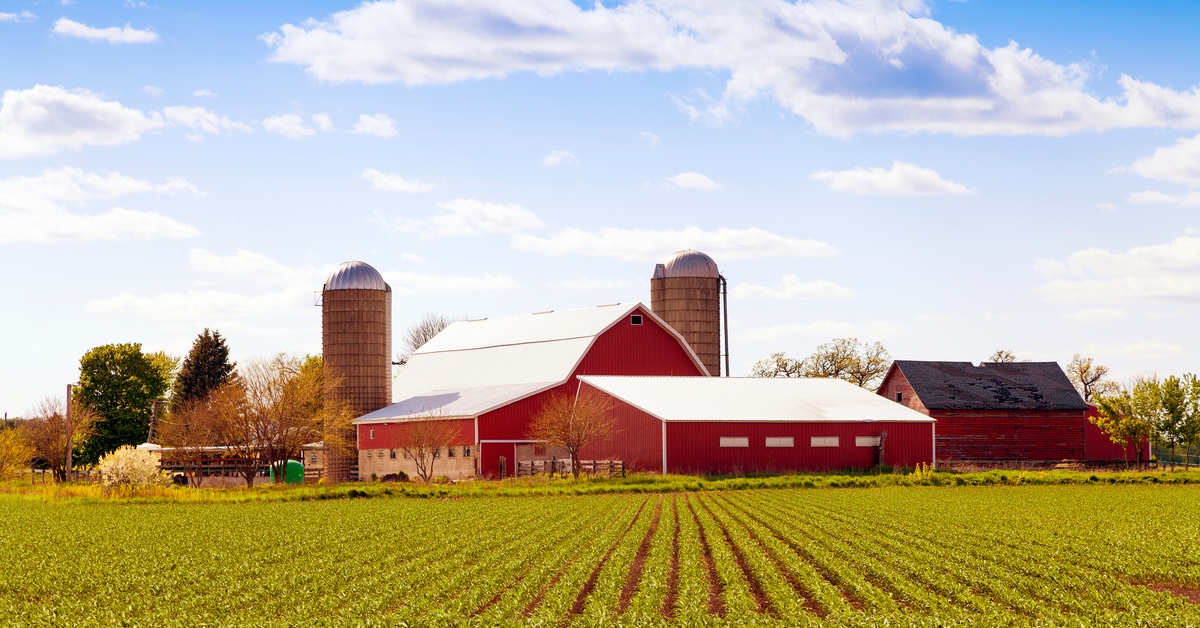
Farm owners, take full advantage of all the tax deductions available to you to keep more cash in your pocket! These deductions can significantly reduce your taxable income, ultimately leading to more financial resources to reinvest in your farm’s success. Farming is one of the most rewarding yet challenging professions, with countless expenses cropping up throughout the year.
Maintaining your farm comes with significant financial commitments, from buying heavy-duty equipment to managing livestock. These costs can substantially burden many farmers, but multiple tax deductions can help your farm keep more cash. Properly utilizing tax deductions allows you to offset a portion of these expenses, reducing your taxable income and giving you access to more cash that you can reinvest into your farm and achieve long-term farm success.
Farm Equipment and Supplies
Every farmer relies on a range of tools and supplies to keep their operations running smoothly and efficiently. These tools and supplies include large machinery, such as tractors, plows, and harvesters, and essential planting materials, such as seeds and fertilizers. Even smaller items are crucial in daily farm work, such as:
- Gloves
- Fencing materials
- Repair tools
You can then deduct the cost of purchasing or leasing these items as business expenses, helping farmers manage the high upfront costs of maintaining productivity and expanding their operations.
Retirement Contributions
Farmers can secure their financial future by contributing to tax-deductible retirement plans, such as an individual retirement account (IRA) or a simplified employee pension plan (SEP). These plans offer a dual benefit: they lower your taxable income while preparing you financially for life after farming. Contributions to these plans also grow tax-deferred, meaning you won’t pay taxes on the earnings until you withdraw them in retirement, making them a smart strategy for long-term financial stability.
Charitable Donations
Supporting agricultural organizations, local farming cooperatives, or other farm-related charities strengthens your community and provides significant tax deductions. Donations can take many forms, such as giving crops, financial contributions, or other resources. For example, donating excess harvest to a local food bank helps fight hunger and qualifies as a deductible contribution, allowing you to do good while enjoying tax savings.
Conservation Expenses
Farms that implement conservation practices, such as erosion control, water management systems, or habitat preservation, can benefit from tax deductions specifically to encourage sustainable land use. These expenses may include costs for planting cover crops, building terraces, or installing fences to protect natural habitats. These practices maintain the health of your farm while offering financial incentives that support your long-term operational success.

Crop and Livestock Insurance Premiums
Protecting your livelihood with crop and livestock insurance is a smart business decision, and the premiums you pay for this protection are fully deductible as business expenses. This deduction guarantees that you’re ready for potentially devastating challenges, such as droughts, floods, or disease outbreaks. Mitigate financial risks and safeguard your farm’s future stability by insuring your resources.
Depreciating Equipment
Farming equipment, such as tractors, silos, and irrigation systems, is a significant investment. Over time, these assets lose value due to regular use, which is where depreciation comes into play. Instead of deducting the full cost of equipment all at once, farmers can spread the deduction over several years, reflecting the gradual wear and tear.
Property Taxes
Owning farmland often comes with the responsibility of paying annual property taxes on your land and structures, such as barns or storage facilities. Fortunately, these property taxes are deductible, helping to offset the financial burden of land ownership. You can reduce your tax liability and allocate more resources to growing your operation when you track and deduct these costs.
Irrigation Systems
Installing and maintaining an irrigation system is critical for many farms, ensuring crops receive the water they need to thrive. The costs associated with these systems—including installation, regular repairs, and ongoing maintenance—are fully deductible as business expenses. This deduction supports sustainable water management while helping farmers keep their crops healthy and productive.
Marketing and Advertising Expenses
Promoting a farm’s products is essential for attracting customers and growing the business. Expenses related to marketing and advertising are fully deductible, covering a range of activities. Some marketing expenses could include:
- Creating advertisements
- Building a website
- Running social media campaigns
- Designing product packaging
- Attending trade shows
These deductions guarantee that farmers can effectively reach their target audience without bearing the full financial cost of promotion.
Livestock Expenses
Raising livestock is an integral part of many farming businesses, but it comes with substantial ongoing costs. Expenses for feed, medicine, veterinary care, and even breeding stock are all deductible. These costs can quickly add up, whether you’re raising cattle for beef, chickens for eggs, or pigs for pork. However, deducting these expenses will provide you with the financial support to give your livestock the care they need.
Fuel Expenses
Farming is a fuel-intensive business, with tractors, harvesters, irrigation pumps, and other machinery requiring a steady supply of fuel to operate. Additionally, the fuel you use for farm equipment and transportation costs to and from markets, supply stores, or distribution hubs are all tax deductible. With fuel prices often fluctuating, these deductions offer much-needed relief.
Insurance Premiums
Protecting your farm from unexpected events is a critical part of running a sustainable business. Insurance premiums for farm-related coverage, including crop insurance, livestock insurance, and liability protection, are fully deductible as business expenses. These deductions make comprehensive farm protection more affordable, whether you’re safeguarding against natural disasters, theft, or other risks.
Health Insurance Premiums
Access to quality health care is vital for self-employed farmers and their families. Farmers can deduct the cost of their health insurance premiums for themselves, their spouses, and their dependents, easing the financial burden of securing medical coverage. This deduction can help farmers focus on their work without worrying about the high costs of health care.
Repairs and Maintenance
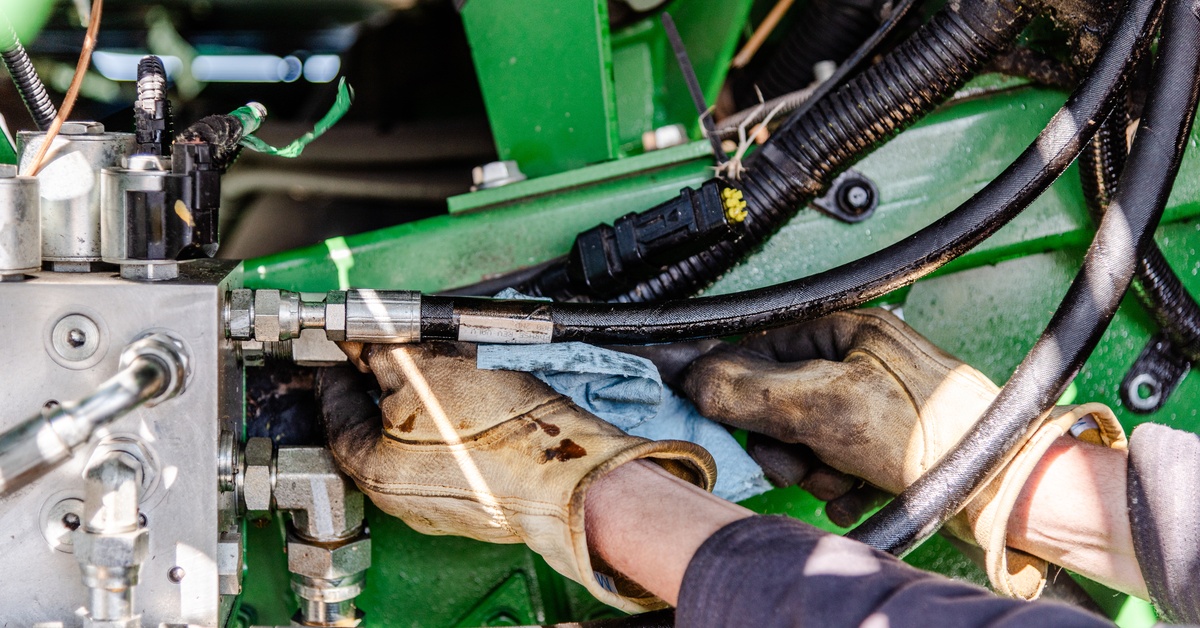
Farms depend on well-maintained equipment, vehicles, and buildings to operate smoothly. Any repairs or maintenance work performed on these assets is tax-deductible. Such maintenance and repairs can include:
- Oil changes
- Tire replacements
- Equipment servicing
- Repairing irrigation systems
- Fixing a barn
These deductions reduce the financial burden of upkeep and encourage farmers to keep their operations in top condition.
These fourteen tax deductions can help your farm keep more cash and operate optimally. By taking advantage of the deductions outlined above, you can save money, reinvest in your farm, and continue growing your business. However, tax laws frequently change, so it’s crucial to stay informed and consult a tax professional to ensure your farm’s compliance when it comes to taxes and farm land loans. Farm Plus Financial can help you maximize your benefits and secure your farm’s financial future so you can focus on what you do best—farming!