
Clean farming practices—often termed sustainable, eco-friendly, or regenerative agriculture—prioritize working with natural systems to foster healthier food production and long-term viability. Unlike traditional industrial methods dependent on heavy synthetic inputs, clean farming emphasizes resource stewardship, healthier soils, and reduced chemical reliance.
As the need for environmental responsibility and consumer demand for sustainably produced foods grow, transitioning to clean farming is both a wise environmental and business decision. If you don’t know where to start, though, we’re here to help with this easy-to-follow guide on how to convert to clean farming practices.
Establishing Soil Health as the Foundation
Soil forms the bedrock of clean farming. Healthy soil enables robust crop growth, protects water resources, and encourages biodiversity. Microbial activity within enriched soils improves crop resilience to pests and diseases, enhancing yields and reducing the need for intervention.
To do this yourself, begin by implementing practices like crop rotation and cover cropping. Rotating crops disrupts pest cycles and improves soil fertility, while cover crops—such as legumes—naturally fix nitrogen, minimizing the need for synthetic fertilizers. Reducing or eliminating tillage preserves soil structure, limits erosion, and increases organic matter retention. This less disruptive approach also helps conserve beneficial soil organisms.
Adding organic matter, such as compost or manure, increases soil carbon and nutrient-holding capacity. An enriched “soil food web” makes for a resilient ecosystem that supports crop health. To guide these efforts, conduct regular soil tests to monitor nutrient levels and pH, ensuring amendments are targeted and effective.
Strategies for Reducing Chemical Inputs
Transitioning to clean farming also means phasing out synthetic chemicals wherever possible, safeguarding local water sources and beneficial wildlife while creating safer food. Replace synthetic fertilizers with organic alternatives such as compost, bone meal, or fish emulsion. These alternatives feed crops steadily, reduce the risk of nutrient leaching, and foster healthier soil biology.
Biological pest control serves as a linchpin. Support populations of beneficial insects—such as ladybugs—that naturally reduce harmful pest pressure. Companion planting can help, too. For example, marigolds can deter specific pests when planted among vegetables.
To take things a step further, Integrated Pest Management (IPM) encourages a systematic approach that relies on pest identification, monitoring, and threshold-based intervention. Biological and mechanical controls are prioritized here, with targeted organic pesticides as a last resort. For weeds, methods like mulching, strategic planting, and manual removal prove effective, helping minimize or eliminate the need for herbicides.
Implementing Water Conservation Strategies
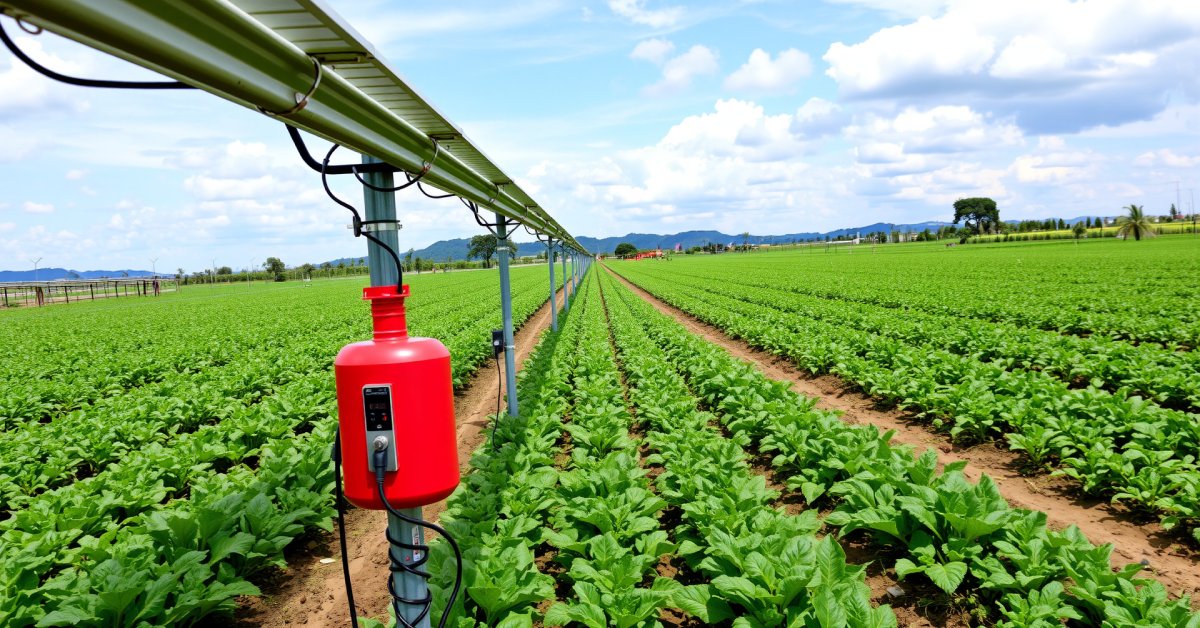
Wise water management is a hallmark of clean farming. Efficient irrigation—such as drip systems—delivers water directly to plant roots, reducing evaporation and runoff. Rainwater harvesting, supported by storage tanks or ponds, provides supplemental irrigation and lessens dependence on groundwater.
Preventing runoff is equally essential. To help with this, plant buffer strips along field edges to trap sediment and filter potential pollutants. Contour farming and no-till techniques encourage water infiltration, curbing soil erosion and improving drought resilience.
Choosing drought-resistant or native crops further conserves water and increases farm reliability in dry conditions. These species generally require less irrigation and are well-matched to local environmental pressures.
Diversifying Crops and Livestock
Diversity in crop and livestock choices strengthens farm ecosystems. Monoculture makes farms more susceptible to pests, diseases, and market swings, while a variety of species provides resilience. When one crop struggles, others may thrive, stabilizing both yields and income.
Agroforestry integrates trees and shrubs with crops or grazing animals. That’s because trees can serve as shelter for livestock, enhance biodiversity, and offer additional products like fruit or timber. Their roots prevent erosion and support nutrient cycling.
Polyculture—planting several crops together—is another strategy that uses space efficiently and replicates natural systems. Deep-rooted plants access nutrients unavailable to shallow-rooted ones; tall plants provide shade for shade-loving crops. Such synergy can improve total output with fewer external inputs.
Embracing Regenerative Agriculture Practices
If unfamiliar with it, regenerative agriculture is a practice that aims not just to maintain but to restore the natural environment. This approach focuses on leaving land in better condition for future generations. Rotational grazing, where livestock move frequently between paddocks, mimics natural animal movement, encourages pasture recovery, and spreads manure more evenly.
Perennial crops form another pillar of regeneration. Because their roots remain in place year after year, perennials prevent soil loss, increase carbon storage, and require less input. Building habitats for pollinators and wildlife—by establishing hedgerows or wildflower strips—supports ecological balance, improving both pollination and natural pest control.
Leveraging Technology for Clean Farming

Adopting new technologies is vital in modern clean farming. Precision tools like GPS-guided tractors ensure accurate planting and reduce input waste. Drones and remote sensors enable real-time monitoring of crop conditions, allowing for timely, informed interventions.
Data-driven management is increasingly central. Software solutions track soil, water, and yield metrics across seasons, revealing trends and opportunities for improvement. Analyzing this data allows farmers to deploy resources where they are most effective, keeping costs down while maintaining high productivity.
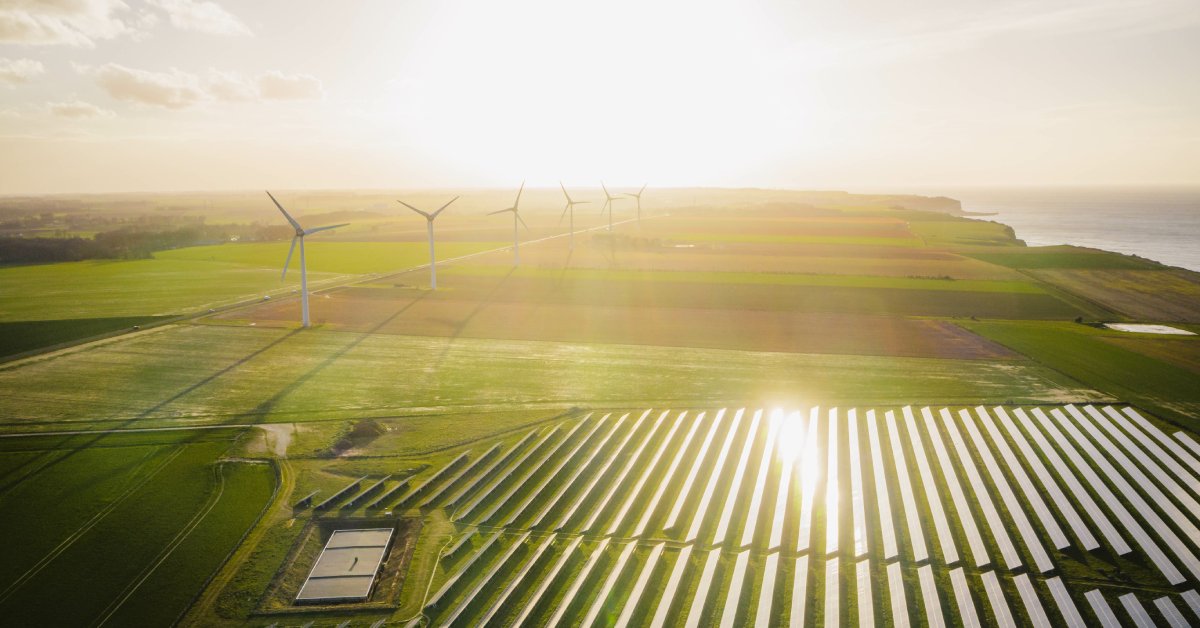
Integrating renewable energy—solar panels and wind turbines—is another great way for farms to reduce emissions and operating costs. Solar power, in particular, is perfect for irrigation pumps, electric fencing, or even charging farm vehicles.
Building Knowledge and Support Networks
Shifting to clean farming practices is an ongoing learning process best undertaken with community and expert support. Connecting with local sustainable farming groups or cooperatives helps farmers exchange ideas, address common challenges, and share resources. These communities foster innovation and provide practical, region-specific advice.
Mentorship is invaluable during this transition. Experienced farmers who have completed the move to clean practices offer insights that can help avoid pitfalls and accelerate progress. Ongoing education, like workshops, field days, and virtual training, is vital to keep farmers and crews equipped with the latest sustainable techniques and research findings.
Equally important is training the rest of your team. When all workers’ mindsets align with sustainability goals, practices will become easier to implement more consistently. Many governmental and nonprofit organizations offer funding, grants, and incentives to support these investments. Seeking such support can ease financial pressures associated with new equipment or training.
How Farm Plus Financial Can Help
While all of these suggestions are great in theory, many of them will require some form of initial capital to get started. This is where we come in to assist. Farm Plus Financial can offer those interested in clean farming agricultural loans in California or wherever else you might live to help you get started. Once you have the money needed to change your farming practices around, the rest will be much easier.