
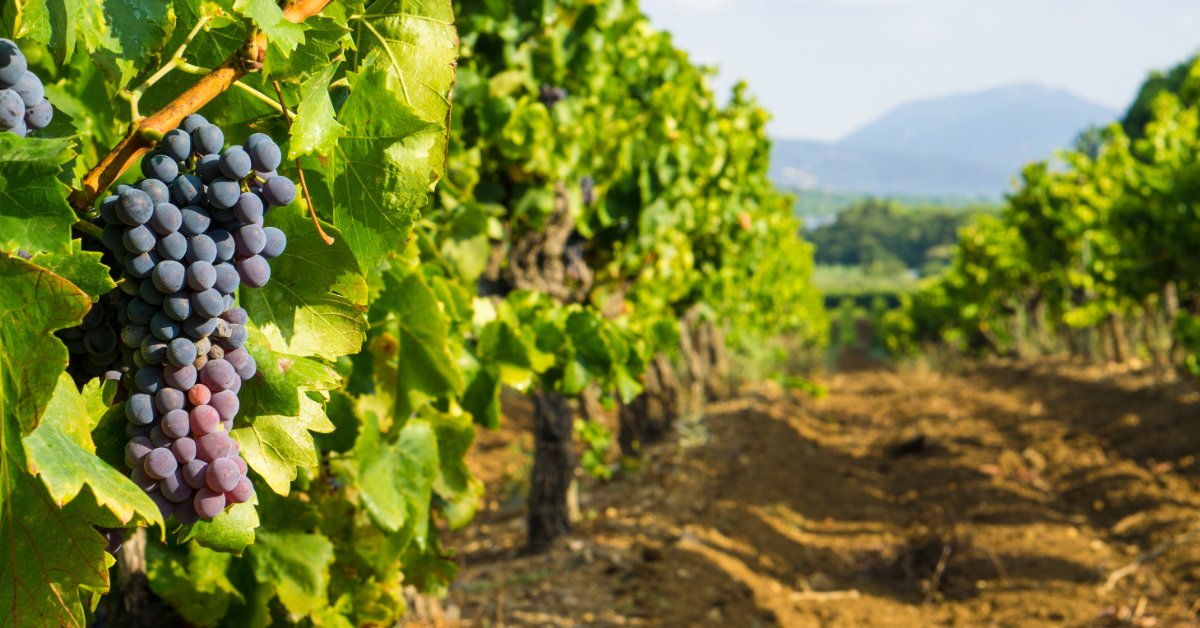
A vineyard represents far more than rows of grapevines. It’s a substantial financial commitment, a long-term agricultural venture, and, for many owners, a personal passion. Unpredictable weather patterns can threaten crop quality and future revenue, so how do you protect your vineyard investment from climate risks? The answer starts with a practical approach to climate resilience and financial preparation. Explore the strategies below to support your property’s future.
The Climate Threats Facing Your Vineyard
Every wine region has its own environmental challenges. A vineyard in California’s Napa Valley faces different conditions than an operation in Oregon’s Willamette Valley. Even neighboring properties can experience different temperatures, soil moisture levels, and frost exposure.
Before you invest in protective infrastructure, identify the threats most relevant to your land. Historical weather records, local agricultural extension services, and vineyard consultants can help you evaluate potential vulnerabilities. This assessment gives you a clearer picture of where to direct your resources.
Extreme Heat and Drought
Grapevines thrive under favorable conditions, but prolonged heat can disrupt their natural development. Excessive temperatures may cause sunburned grapes, reduced yields, and changes in fruit composition. Water shortages create additional pressure, particularly in regions with limited irrigation supplies. For example, a vineyard that relies heavily on seasonal rainfall may face substantial expenses during consecutive dry years. A dependable water management plan can reduce that exposure.
Frost, Wildfires, and Severe Storms
Late spring frost can damage tender buds and reduce a vineyard’s production potential before the season progresses. Wildfires introduce another concern, as smoke exposure can affect grape quality even when flames never reach the property. Severe storms may also damage trellises, erode valuable topsoil, and disrupt harvest schedules. Understanding these threats allows vineyard owners to develop targeted protective measures instead of reacting after losses occur.
Invest in Water Conservation and Irrigation Infrastructure
Water availability has a direct influence on vineyard productivity and long-term land value. As drought conditions become more unpredictable, efficient irrigation systems can help owners maintain healthier vines without unnecessary water consumption. Drip irrigation offers a practical solution because it delivers water directly to the root zone. Compared with less targeted irrigation methods, it can reduce evaporation and provide greater control over soil moisture.
Additional improvements may include:
- Soil moisture sensors to guide irrigation schedules.
- Rainwater collection systems where local regulations permit.
- Mulch applications to reduce soil moisture loss.
- Reservoir improvements for properties with appropriate water rights.
- Irrigation system upgrades to reduce leaks and waste.
These investments require upfront capital, but they may lower operational expenses and strengthen a vineyard’s ability to withstand dry periods. Before committing to a major project, review your property’s water rights, infrastructure capacity, and projected maintenance costs. A well-designed system should suit both your agricultural needs and your financial resources.
Reduce Heat Stress Through Vineyard Design
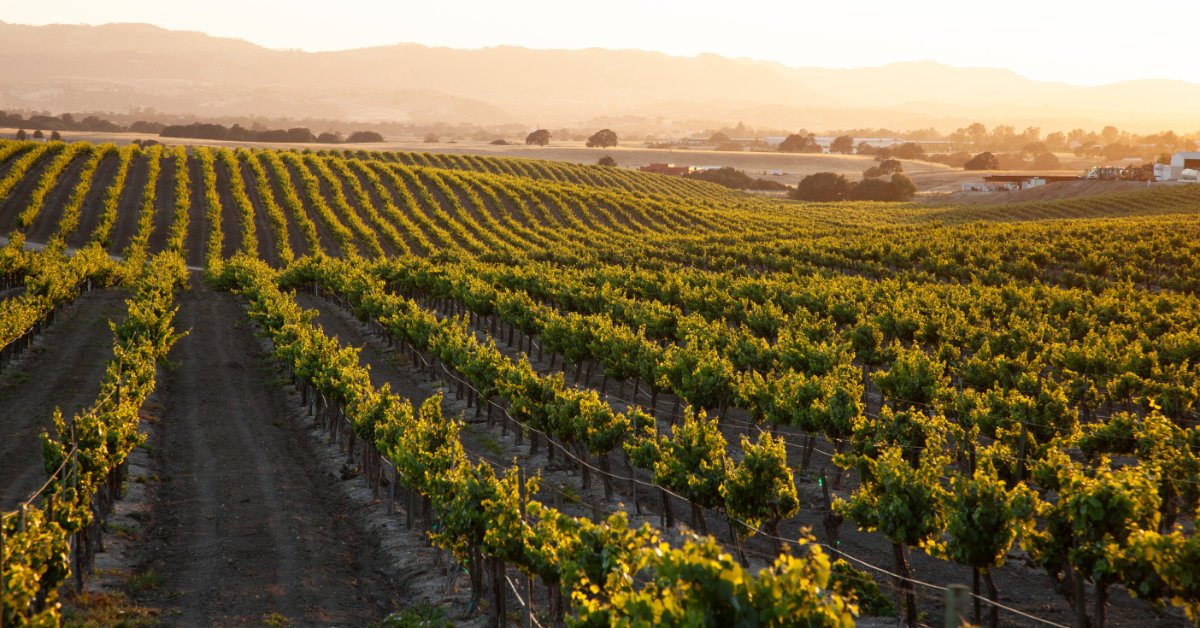
Canopy management helps regulate the amount of sunlight that reaches grape clusters. Strategic leaf placement can provide shade during intense afternoon heat without sacrificing the airflow necessary for vine health. Row orientation, trellis design, and grape variety selection also influence temperature exposure.
For new vineyard developments, these decisions can shape productivity for decades. Established vineyards may benefit from adjusted canopy practices or irrigation schedules during heat waves. Consult a viticulture specialist before introducing substantial changes, since each grape variety responds differently.
Prepare for Unexpected Frost Events
Frost protection methods vary according to vineyard size, terrain, and available resources. Wind machines can help under suitable temperature inversion conditions, and certain sprinkler systems provide protection through carefully controlled water application. Neither method works under every weather condition. Equipment costs, water availability, and local climate patterns should guide your selection. For properties with recurring frost exposure, permanent protective infrastructure may provide greater reliability than emergency measures alone.
Improve Soil Health and Vineyard Resilience
Healthy soil supports stronger root systems and helps grapevines tolerate environmental stress. It also influences water infiltration, nutrient availability, and erosion resistance. Cover crops between vineyard rows can reduce soil erosion and improve soil structure.
Depending on the species and local climate, they may also support beneficial insects and contribute organic matter. Compost applications offer another opportunity to improve soil quality. However, excessive amendments can alter nutrient balances, so regular soil tests remain valuable.
Consider the vineyard’s slope and natural drainage patterns as well. Terraced sections, vegetative buffers, and carefully maintained drainage channels can help protect vulnerable areas from storm damage. These practices don’t eliminate climate risks, but they create a healthier agricultural foundation.
Review Vineyard Insurance and Financial Safeguards
Physical improvements address only part of the problem. Vineyard owners also need financial protection against losses that exceed their operational resources. Agricultural insurance policies may provide coverage for certain weather-related crop losses, depending on the policy and eligibility requirements.
Property insurance can address covered damage to structures and equipment, subject to exclusions and coverage limits. Review your policies with an insurance professional familiar with vineyard operations. Pay particular attention to deductibles, coverage limits, wildfire exclusions, and potential gaps related to smoke exposure.
Beyond insurance, maintain adequate cash reserves for unexpected repairs or reduced harvest revenue. A vineyard may need continued investment in labor, maintenance, and property expenses even during an unprofitable season. Financial flexibility can prevent a temporary setback from becoming a long-term operational problem.
Use Vineyard Financing To Support Climate Adaptation
Protective infrastructure can demand substantial capital, particularly for established vineyards with extensive acreage. Irrigation upgrades and property improvements may compete with everyday operating expenses. Vineyard financing can provide an avenue to fund eligible investments without exhausting available cash reserves. The appropriate loan structure depends on the property’s value, the borrower’s financial circumstances, and the proposed project.
For instance, an owner who plans to modernize an irrigation network may benefit from discussing financing terms that reflect the project’s anticipated useful life. A separate vineyard acquisition could require a broader assessment of land value, water access, and agricultural revenue. Before pursuing additional debt, compare projected benefits against repayment obligations. Climate resilience should strengthen the property’s financial position rather than introduce unnecessary strain.
The best ways to protect your vineyard investment from climate risks combine practical vineyard management with thoughtful financial decisions. Water conservation, temperature protection, healthier soils, and adequate insurance can all contribute to a more resilient operation. No strategy can eliminate every environmental threat, but proactive investments can reduce exposure and support your vineyard’s long-term value. Now that you know the information above, you can start exploring winery loans and supporting your property’s climate resilience plans.