
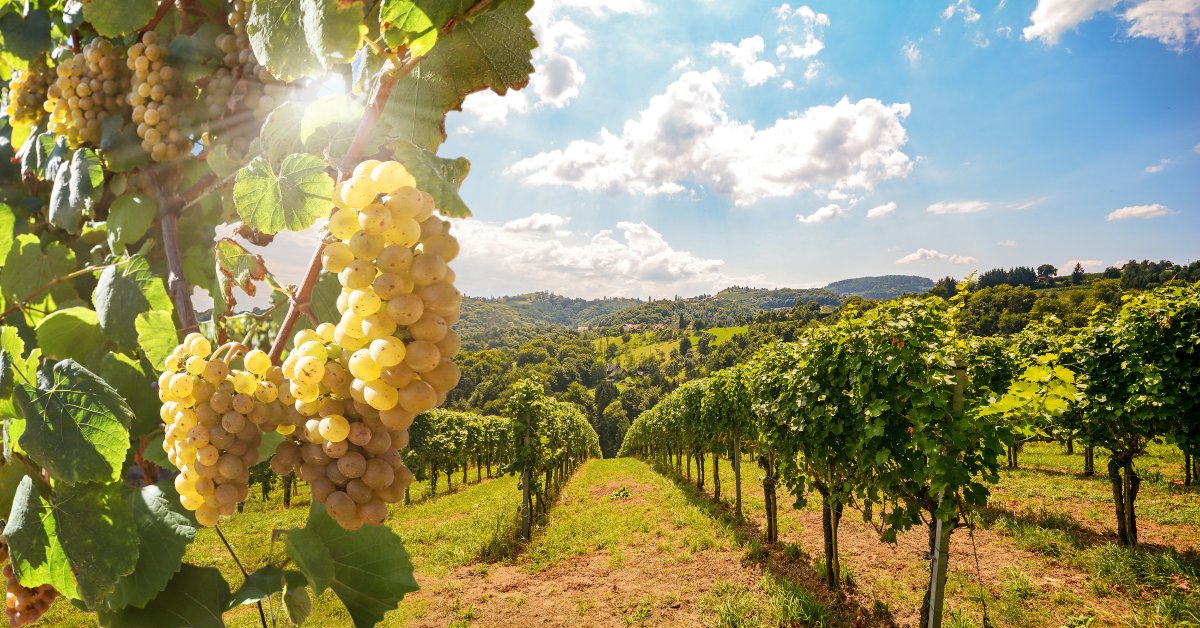
Managing a vineyard involves tackling a variety of challenges, from soil erosion and extreme weather to pest control and climate change. As you search for sustainable ways to build resilience on your property, tree planting emerges as a powerful, multifaceted solution. Trees not only integrate seamlessly into a vineyard; they also contribute significantly to its long-term health and productivity. If you’re interested in boosting your vineyard’s resilience, tree planting may be the right choice for you!
Minimize Soil Erosion
Soil erosion is a common issue in vineyards, especially on sloped land or in areas with frequent rainfall or high winds. The roots of trees act as anchors, binding the soil together and reducing the chances of topsoil erosion. These roots stabilize the land and protect your vineyard’s fertile ground, which is essential for healthy vine growth. Without adequate topsoil, vines can struggle to access the nutrients they need. Tree planting ensures your soil remains intact, safeguarding your vineyard’s productivity for years to come.
Regulate Microclimates
Weather extremes, like hot summers or cold winters, can wreak havoc on grapevines. Trees help regulate microclimates within the vineyard by acting as natural windbreaks and providing shade. Their canopy creates a buffering effect, stabilizing temperature fluctuations and maintaining a more consistent environment. This temperature regulation is especially valuable during extreme heat waves or frost events, as it minimizes stress on your vines and supports their growth under challenging conditions.
Enhance Water Retention
Water is a precious resource, particularly in vineyards located in drought-prone regions. Tree roots help improve the soil’s structure, increasing its ability to retain water. Then, with a greater ability to retain water, there will be less water runoff during heavy rains and more moisture available for your vines during dry periods. By planting trees, you can reduce your reliance on irrigation systems and promote more sustainable water management practices.
Boost Biodiversity
Biodiversity is the backbone of a healthy vineyard ecosystem. Planting a mix of native trees attracts beneficial insects, birds, and other wildlife that play a crucial role in maintaining balance. For instance, birds and predatory insects can naturally control pests, reducing the need for chemical pesticides. A diverse ecosystem not only supports the health of your vines but also contributes to the overall sustainability of your vineyard.
Sequester Carbon
As concerns about climate change grow, vineyards are increasingly looking for ways to reduce their carbon footprint. Trees are excellent natural carbon sinks, absorbing carbon dioxide from the atmosphere and storing it in their biomass. By planting trees, you actively contribute to the fight against climate change while creating a more sustainable operation. This practice aligns with global efforts to reduce greenhouse gas emissions and enhances your vineyard’s environmental stewardship.
Provide Wind Protection
Strong winds can damage grapevines, breaking branches, disrupting pollination, and reducing your overall yield and quality. Strategically placed trees act as windbreaks, shielding your vines from harsh conditions. This protection creates a calmer environment, allowing your vines to grow more efficiently and produce higher-quality grapes. Windbreaks also help reduce evaporation, preserving soil moisture and further supporting the health of your vineyard.
Improve Air Quality
Trees do more than just beautify the landscape; they actively filter pollutants from the air and release oxygen into the atmosphere. This filtering helps create a cleaner, fresher environment that benefits both your vineyard and the people working on your property. Cleaner air can also enhance the overall health of your plants, contributing to their long-term vitality.
Support Pollinators
Pollinators like bees and butterflies are essential for the broader ecosystem, playing a critical role in plant reproduction. Tree blossoms provide an additional food source for pollinators, supporting their populations and promoting biodiversity. A thriving pollinator population benefits not just the surrounding environment but also contributes to a more balanced and resilient vineyard ecosystem.
Reduce Heat Stress
As global temperatures rise, heat stress is becoming an increasing concern for vineyards. Tree canopies create shaded areas that lower ambient temperatures, mitigating the impact of heat stress on your vines. Shaded areas also provide a refuge for workers during hot days, improving their comfort and productivity. In regions experiencing rising temperatures, the cooling effect of trees makes a significant difference in sustaining healthy vine growth.
Provide Natural Barriers
Trees can serve as natural boundaries, effectively separating different sections of your vineyard. These barriers help control the spread of diseases and pests by limiting their movement across the property. Natural tree rows can also create distinct zones within your vineyard, making it easier to manage specific areas and implement targeted strategies for pest and disease control.
Rejuvenate Soil Health
Tree litter, such as fallen leaves, twigs, and branches, enriches the soil as it decomposes. This organic matter adds essential nutrients to the soil, improving its structure and fertility. Healthy soil supports healthy vines, resulting in better grape quality and higher yields. Over time, adding organic matter from trees can reduce the need for synthetic fertilizers, further enhancing the sustainability of your vineyard.
Aesthetic Appeal
A tree-lined vineyard creates a visually stunning landscape that appeals to visitors and enhances the overall experience. The aesthetic appeal of trees can also boost the marketability of your vineyard, making it an attractive destination for wine enthusiasts, tourists, and potential business partners. A beautiful vineyard is not only a joy to work in but also a powerful marketing tool.
Long-Term Cost Savings
While planting trees requires an initial investment of time and resources, the long-term benefits far outweigh the upfront costs. Trees reduce the need for expensive fertilizers, pesticides, and mechanical windbreaks, lowering your operational expenses over time. These savings, combined with the environmental and productivity gains, make tree planting a smart, cost-effective choice for vineyard management.
Build Resilience to Climate Change
Climate change poses significant challenges to vineyards, from rising temperatures and droughts to more frequent extreme weather events. Trees provide multiple layers of protection, helping your vineyard adapt to these challenges. Whether it’s shielding vines from intense heat, stabilizing soil during heavy rains, or creating a more balanced ecosystem, trees play a vital role in building resilience. By planting trees today, you’re investing in a vineyard that can weather the uncertainties of the future.
Planting trees in your vineyard isn’t just about sustainability; it’s about creating a thriving and resilient ecosystem that supports your vines, protects the environment, and ensures long-term success. From minimizing soil erosion and boosting biodiversity to offering wind protection and reducing heat stress, trees offer a wealth of benefits that enhance both the health of your vineyard and the quality of your grapes. By taking this step and getting your vineyard financing from us at Farm Plus Financial, you’re not only safeguarding your vineyard against today’s challenges but also ensuring it continues to flourish for generations to come.